


Prostatitis is a common urological disease characterized by inflammatory changes in the prostate gland that occur as a result of harmful factors (infectious, professional, household and others).The standard treatment regimen for prostatitis depends on the form, course and causative agent of the disease.
Treatment of prostatitis depends on the type
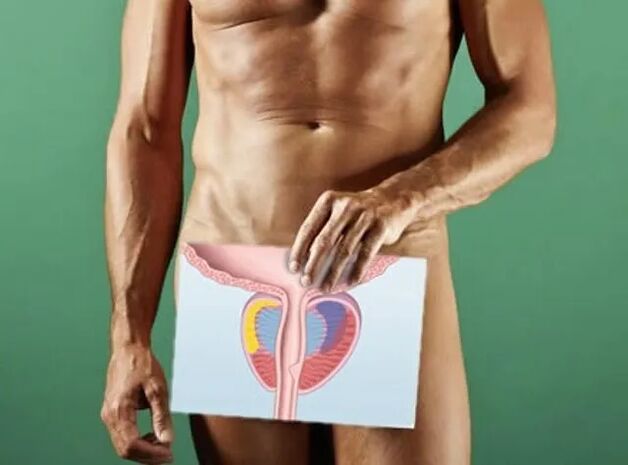
The disease is polyetiological in nature, but the main factor in its occurrence is infectious.Therefore, the task of urology is to find rational methods of etiotropic therapy and fight against infection.
Treatment of bacterial prostatitis includes antibiotic therapy.The drug is prescribed after laboratory diagnostics to determine the causative agent and sensitivity to antibiotics.
According to the results of statistical studies, drugs belonging to the group of fluoroquinolones, cephalosporins and tetracyclines are the most effective in the treatment of the disease.
Antiviral drugs are used to treat prostatitis caused by herpes, HPV, or cytomegalovirus.Prostatitis of fungal etiology is treated with antifungal agents.
Since the occurrence of prostatitis is influenced by many factors, therapy is usually comprehensive and usually includes lifestyle changes aimed at increasing immunity and improving blood circulation in the pelvic organs.
The list of events includes:
- dietary nutrition (to prevent constipation);
- regular physical and sexual activity;
- vitamin therapy;
- proper sleep and wakefulness.
If prostatitis is caused by a violation of the blood supply to the pelvis, regular physical activity, massage and physical therapy (squatting, lunging, walking, running) are recommended to eliminate congestion.If there are hidden sources of infection (caries, sinusitis, tonsillitis), hygiene of the pathological foci is necessary.
Treatment regimens
The symptoms of chronic and acute forms of prostatitis are similar, but the drug treatments are different.This is due to the fact that in the acute form, the treatment is aimed at overcoming the infection and alleviating unpleasant symptoms, while the chronic form of the disease requires physiotherapeutic methods of influence.
List of drugs in the acute stage of prostatitis:
- NSAIDs - eliminate discomfort and inhibit the development of the inflammatory process in the gland.
- Antibiotics.It affects the causative agent of the disease.The most commonly used protected penicillins, macrolides, cephalosporins and fluoroquinolones.
- Anticonvulsants.It is used to eliminate gland pain, improve secretion outflow, relax vessel walls and increase microcirculation.
- Alpha-adrenergic blockers.They improve outflow during acute urinary retention by relaxing the smooth muscles of the urethra and bladder neck.It relieves inflammation of the organ and reduces swelling.
- Phytotherapy agents.Medical aids of natural origin.They have a gentle effect on the prostate gland, reducing the swelling of the organ.
Important!Physiotherapy measures are contraindicated in the acute stage of prostatitis.
Physiotherapy promotes the spread of infection and aggravates inflammation.
The chronic form of prostatitis, on the contrary, is mainly treated with physiotherapy methods:
- Laser therapy.
- Phonophoresis (a combination of ultrasound and medication).
- Electrophoresis.
- Exposure to microwaves.
One or more treatment methods are used simultaneously.Surgical intervention (endoscopic method) is used only in the chronic form, which is complicated by the sclerotic process and congestion of the gland.Surgery can significantly improve the patient's quality of life and restore lost functions.
Principles of treatment of acute prostatitis
Urogenital infections are almost always the cause of acute prostatitis.These can be non-specific (caused by conditionally pathogenic microorganisms) and sexually transmitted (gardnerellosis, chlamydia, gonorrhea, trichomoniasis, etc.) infections.
In the first case, the pathogenic microflora enters the prostate via lymphogenous or hematogenous routes from the intestines or urinary tract and causes inflammation there.
In the second case, the pathogen is transmitted from an infected sexual partner.
The way to treat acute prostatitis depends on the type of pathogen and always includes antibiotics.After a thorough examination, the doctor identifies the pathogen and prescribes the appropriate remedy.
In case of protozoan infection (trichomoniasis), a drug belonging to the group of nitroimidazoles is usually prescribed.Intracellular chlamydia infection is treated with macrolide antibiotics.
Alternative agents are some other macrolides, fluoroquinolones and a tetracycline antibiotic.
Treatment of gonorrhoeal lesions includes penicillin and cephalosporin antibiotics, as well as vaccine therapy.Glanditis caused by gardnerella requires the use of antibiotics (macrolide, lincosamide, and drugs from the group of nitroimidazoles and their analogues are prescribed).
In the treatment of acute prostatitis caused by non-specific microbial flora, standard medical treatment is used, which also includes antibiotics.
The standard treatment regimen for prostatitis includes the following measures:
- Bed rest in the acute form, massage and physical therapy in the chronic stage of the disease.
- Dietary foods.
- Antibiotics to suppress the microbial flora that causes inflammation in the prostate gland.
- NSAIDs are used to relieve pain and relieve inflammatory symptoms.
- Bioregulatory peptides.These are products derived from the prostate gland of cattle.It stimulates regeneration processes in the gland.
- Anticonvulsants.
- Muscle relaxants are used to relax the bladder, urethra, and perineal muscles.
- Drugs that improve blood circulation and the rheological properties of blood, eliminating congestion (for example, a drug that improves the microcirculation of the gland by blocking receptors in the walls of blood vessels).
- Hormonal drugs.

Depending on the course and characteristics of prostatitis, other measures can be added to the treatment regimen (ultrasound, autohemotransfusion, rectal administration of drugs).
Intravenous infusions are used to quickly relieve the symptoms of prostatitis.
This treatment is carried out in a hospital setting.Tissue preparations and anabolic steroids are prescribed to stimulate the immune system.
Treatment of acute bacterial prostatitis
Antibacterial treatment is recommended for acute forms of the disease caused by infection.But in some cases, it is also prescribed for chronic prostatitis of abacterial etiology - as an additional measure to influence possible hidden infections.Broad-spectrum antibacterial products are preferred.
The treatment lasts from 2 weeks to a month.If the dynamics of improvement are good, the treatment can be extended to 2 months.
Antibiotic groups most often used to treat bacterial prostatitis:
- Protected penicillins.Medicines are prescribed orally, 1 g twice a day.It is important to take the medicine regularly, at the same time, every 12 hours.The duration of drug treatment lasts from one week to 10 days.Penicillins are usually used until laboratory results are available.
- 2nd generation fluoroquinolones, 200 mg twice daily for 1-2 weeks.
- Fluoroquinolones 3rd generation 0.5 g 1 time/day for 5 days.
- 3rd generation cephalosporins.The drug is prescribed intramuscularly or intravenously, 1 g twice a day or 2 g once a day for 7-10 days.
- 4th generation cephalosporins, 2 g IV or IM daily for 5-7 days.
- Aminoglycosides.1.0 g intramuscularly 1 time / day for 5-7 days.
- Macrolides.It is non-toxic and has no negative effect on the intestinal microflora.Orally prescribed 500 mg 1-2 times a day.The preparation must be taken for at least 5-14 days.
When taking antibiotics for prostatitis, patients are not recommended to independently reduce the dose and duration of treatment.The entire course is at least two weeks.
People with allergies should inform their doctor about their intolerance to certain medicines before starting treatment.It is possible that if the liver or kidney function is impaired, the specialist will have to change the treatment regimen or the dosage of the drugs, so it is important to warn them in advance.
Treatment plan for viral acute prostatitis

Virological diagnostic methods are not included in the test protocol, so the diagnosis of "viral prostatitis" is rarely made by urologists.Herpes and HPV are sexually transmitted.
The genital herpes virus enters the man's body and multiplies, then reaches the lymph nodes, from where it spreads via hematogenous and lymphogenous routes through the internal organs.
After drug exposure, the virus persists in spinal or cranial ganglia and periodically reemerges.As a rule, exacerbation occurs after hypothermia or reduced immunity.
The culprits of this type of prostatitis are herpes virus, cytomegalovirus, HPV and influenza.The pathogen penetrates not only the prostate, but also other nearby organs, such as the bladder, urethra, testicles, and rectum, and causes serious damage with a decrease in immunity.
The causative agent of viral prostatitis can be identified by laboratory analysis.In men, genital herpes presents as blisters and sores in the groin, scrotum, perineum, or urethra.Basically, the disease manifests itself with severe itching and burning, but there is also an asymptomatic course.
Treatment for viral inflammation of the prostate includes:
- Taking antiviral drugs.They are effective in the treatment of herpes and HPV.Their mechanism of action is based on suppressing the emergence of new generations of the virus.The specific treatment is carried out for 5 days, with the maximum therapeutic dose on the first day.
- Taking immunomodulators.
- In order to normalize urination, alpha-blockers are prescribed to relieve the tension of the smooth muscle and facilitate the outflow of urine.
If it is affected by HPV or condylomas, it is sometimes necessary to remove the growths with electrocoagulation, laser or liquid nitrogen.The procedure is performed in a hospital setting.
Treatment regimen for acute fungal prostatitis
Long-term use of antibiotics leads to the emergence of new types of microorganisms that are resistant to many antibacterial agents.The increase in the number of patients with fungal prostatitis is caused by the uncontrolled use of antibiotics and the gradual dependence on them.
When immunity decreases, the Candida fungus actively reproduces in the body, which causes candidiasis.
The following are used to treat candidal prostatitis:
- Antimycotic agents.Medicines are sometimes combined in different proportions.
- Probiotics containing bifidobacteria and lactobacilli.They suppress the growth of pathogenic flora.
- Immunomodulating agents that increase the body's defenses.
Important!The diet of patients with prostate fungus should include foods containing probiotics.
These are kefir, yogurts, acidophilus milk.You should also limit the consumption of sweets, baked goods, fresh milk, fruits and fruit juices.
Conclusion
It should be remembered that only a urologist can choose drug treatment for prostatitis.Self-medication slows down the healing process, and in the worst case, it can harm the body, cause severe allergic reactions and contribute to the adaptation of the body to certain antibiotics, as a result of which these drugs will no longer have a therapeutic effect.